Ageing Asset Management: 3 Lessons From the 2026 Aging Assets and Decommissioning Conference
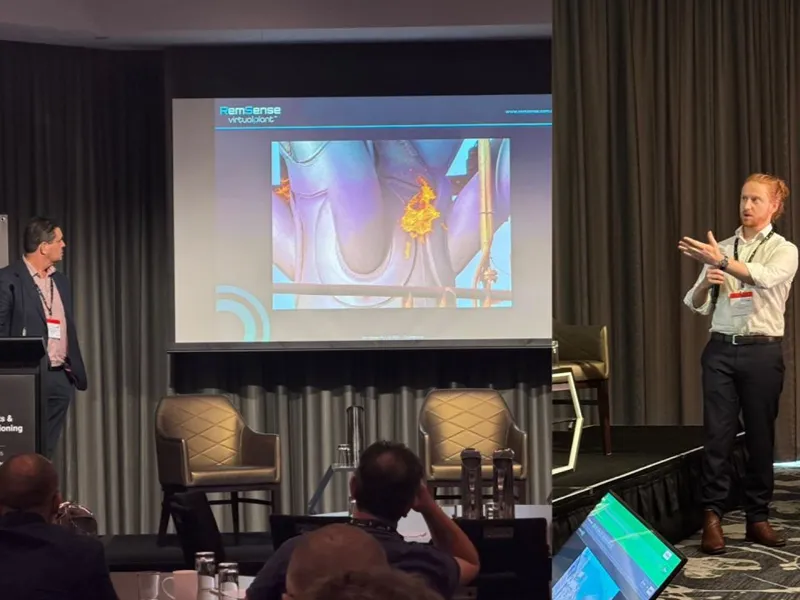
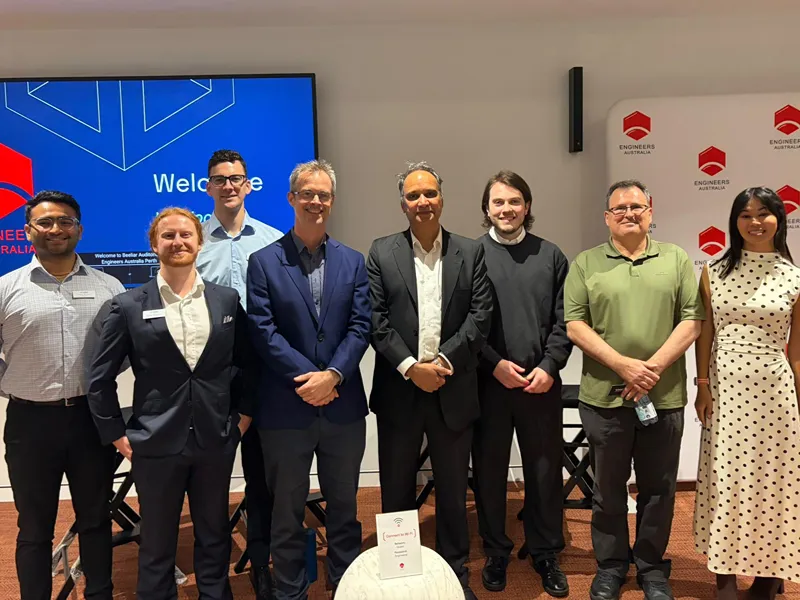
From offshore decommissioning to grid management, this year’s Aging Assets and Decommissioning Conference in Brisbane covered a lot of ground. RemSense CEO Warren Cook spoke at the conference, and the RemSense team spent three days with asset owners, engineers and decommissioning specialists. The ideas that stuck with me were the simple ones.
Key facts at a glance
- Plan early: even if decommissioning is years away, a one-page plan helps you understand what closure will involve and cost.
- Fix the root cause: engineering out recurring problems extends asset life and reduces maintenance.
- Keep the knowledge: involve experienced people in decommissioning so their institutional knowledge isn’t lost.
Plan decommissioning early, and plan with people who’ve seen the edge cases
Even if decommissioning is years away, Neil Foster recommended having at least a one page plan to help understand what closure will involve and cost. Maintenance costs on ageing assets accelerate quickly, and that can force a closure for commercial reasons before you’re ready. The last thing you want is to have to decommission with no money set aside.
Experience matters here too. Asbestos is still hiding in older assets and people don’t always recognise it, which can easily blow out a closure budget. Involving people who’ve been through decommissioning before, and have seen the weird edge cases, is one of the cheapest ways to avoid surprises.
2. Engineer out the root cause to extend asset life, don’t just repeat the maintenance
A culture of changing designs to improve reliability across the asset lifecycle can extend an asset’s life, protecting equipment better as it ages, and reduce the need for some types of maintenance work in the first place. Dave Tomlinson shared that something as simple as adding a bellows to a sliding part to keep contaminants out is a small change that pays off for years.
3. Closure is really about people, and you lose their knowledge if they leave early
The technical work matters, but the best outcomes come from involving people in the decommissioning project wherever possible. They carry a wealth of institutional knowledge that often isn’t written down anywhere. If they’re left uncertain about what comes next, that knowledge can leave before the decommissioning starts.
Where remote asset management fits
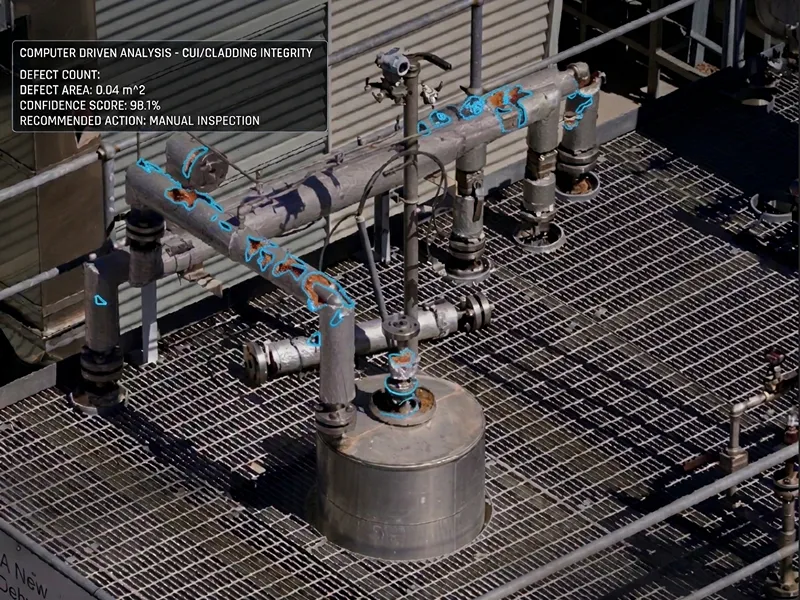
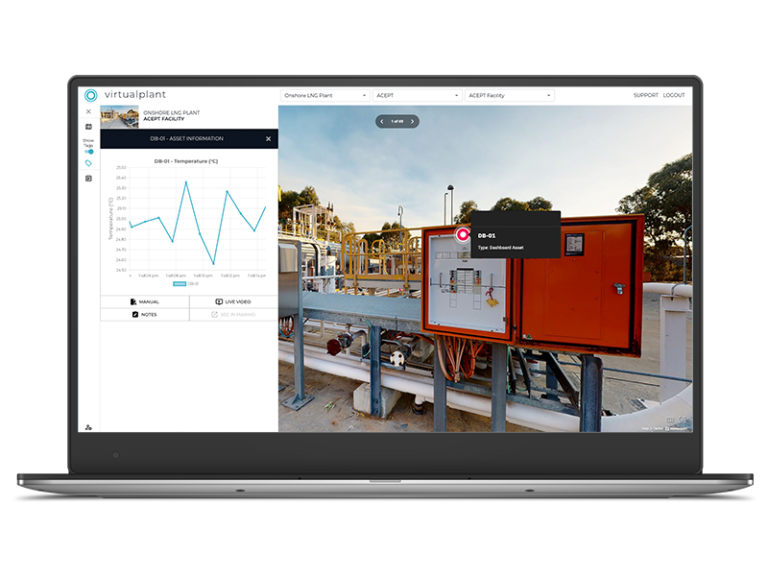
All three lessons come back to the same thing: knowing what you have, and keeping that knowledge as plans, budgets and people change. Remote asset inspection and remote asset management give operators a current, shared record of their ageing assets, one that stays with the asset rather than with whoever happens to remember it. Read more in Decommissioning planning starts with knowing what you have.
Thanks to Marcus Evans and everyone who shared their experience on stage and off.
Frequently asked questions
Ageing asset management is the work of running older infrastructure, such as power stations, processing plants, offshore platforms and networks, as it nears end of life: controlling rising maintenance costs, extending life where it makes sense, and planning for closure and decommissioning.
Early, even if closure is years away. A short, one-page plan helps you understand what closure will involve and cost, so a sudden rise in maintenance costs doesn’t force an unfunded closure.
Engineer out the root causes of recurring failures rather than repeating the same maintenance. Small design changes, such as adding a bellows to keep contaminants out of a sliding part, can improve reliability for years.
Long-serving staff often hold institutional knowledge that isn’t written down. Involving them in the decommissioning project, and giving them certainty about what comes next, keeps that knowledge available when it’s needed.
About RemSense
RemSense Technologies Limited (ASX:REM) is a Perth-based remote asset inspection and asset management technology company. Its virtualplant platform turns high-resolution reality capture into a shared visual record of industrial assets, helping energy, resources and infrastructure operators inspect remotely, plan maintenance and keep their people safe.