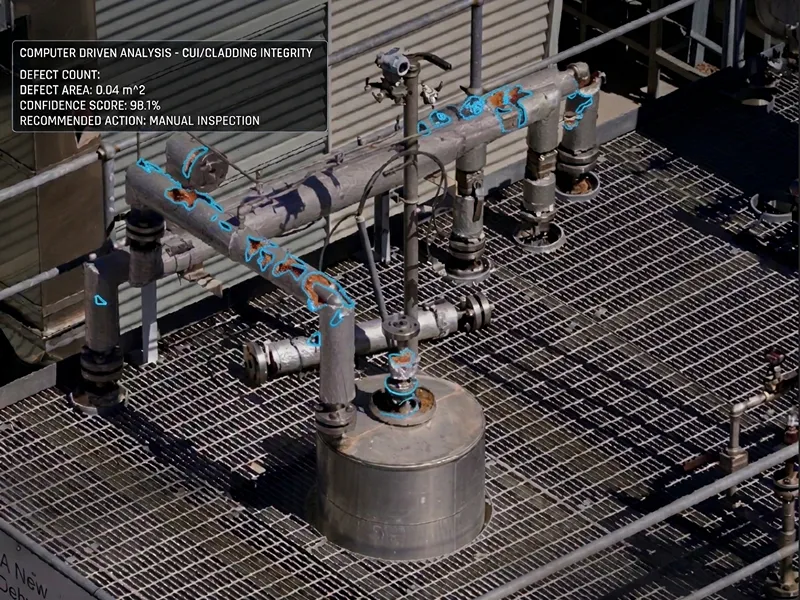
Imagine opening an inspection image and finding the corrosion, cracks and changes already highlighted for you. That’s the idea behind AI overlays, and AI in asset inspection is changing how industrial assets are inspected, understood and maintained.
Key facts at a glance
- What it is: an AI overlay marks possible defects, deterioration and change on top of inspection imagery or a 3D model.
- What it can find: corrosion and coating breakdown, cracks and defects, and change between inspection campaigns.
- What it isn’t: a replacement for inspectors and engineers. It helps them review more data, more consistently.
- Why it matters: AI asset inspection moves the job from capturing data to extracting insight, and can reduce the need to send people into hazardous places.
What is an AI overlay?
An AI overlay is a layer of information that computer vision adds on top of inspection imagery or a 3D model, marking where it has found a possible defect, sign of deterioration or change since the last inspection. Engineers see the asset and the AI’s findings together, in the same view.
How computer vision is changing asset inspection
Across infrastructure, energy, resources and industrial sectors, one of the most significant emerging trends is the use of computer vision to analyse visual inspection data at scale. Recent advances in AI are making it possible to rapidly identify patterns, detect anomalies and monitor change across large image and 3D datasets in ways that were previously impractical through manual review alone.
Examples being explored across industry include:
- corrosion and coating degradation detection
- crack and defect identification
- automated comparison of inspection data over time
- change detection across imagery and 3D models
- improved prioritisation of maintenance activities using visual evidence
AI asset inspection supports inspectors, it doesn’t replace them
Importantly, these capabilities aren’t replacing inspectors and engineers. They’re emerging as a way to help experts review larger volumes of data more consistently and focus attention on areas that may warrant closer investigation.
From capturing data to extracting insight
The combination of high-resolution imagery, photogrammetry and AI-driven computer vision is creating new opportunities to move from simply capturing asset information towards extracting meaningful insights from it. Research and industry development are increasingly focused on linking detected conditions directly to 3D models of the asset, so defects, deterioration and change can be seen exactly where they are.
How RemSense is approaching AI-assisted inspection
For RemSense, this lines up closely with where its technology is heading.
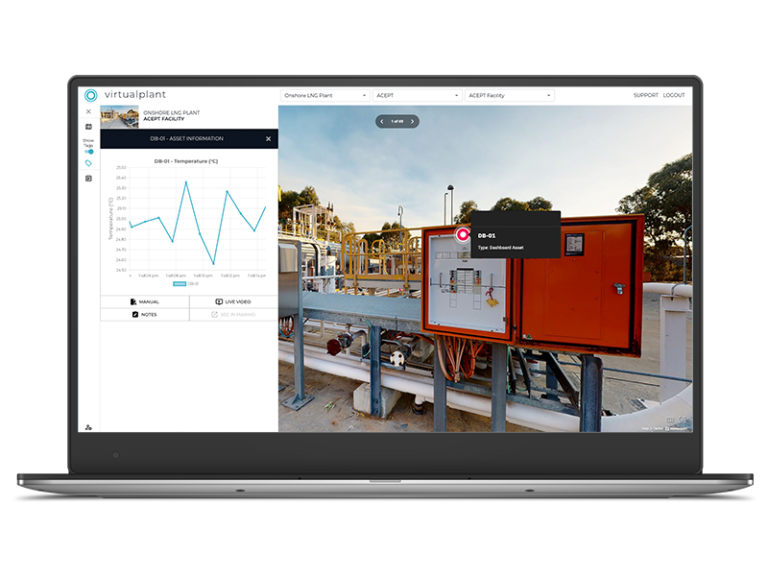
As RemSense continues to develop its virtualplant remote asset inspection platform and its supporting data processing capabilities, the team is actively exploring how technologies such as computer vision, AI-assisted inspection workflows and time-based change analysis can help asset owners get more out of the visual and spatial data they already collect.
The interest is in understanding how these technologies can help organisations:
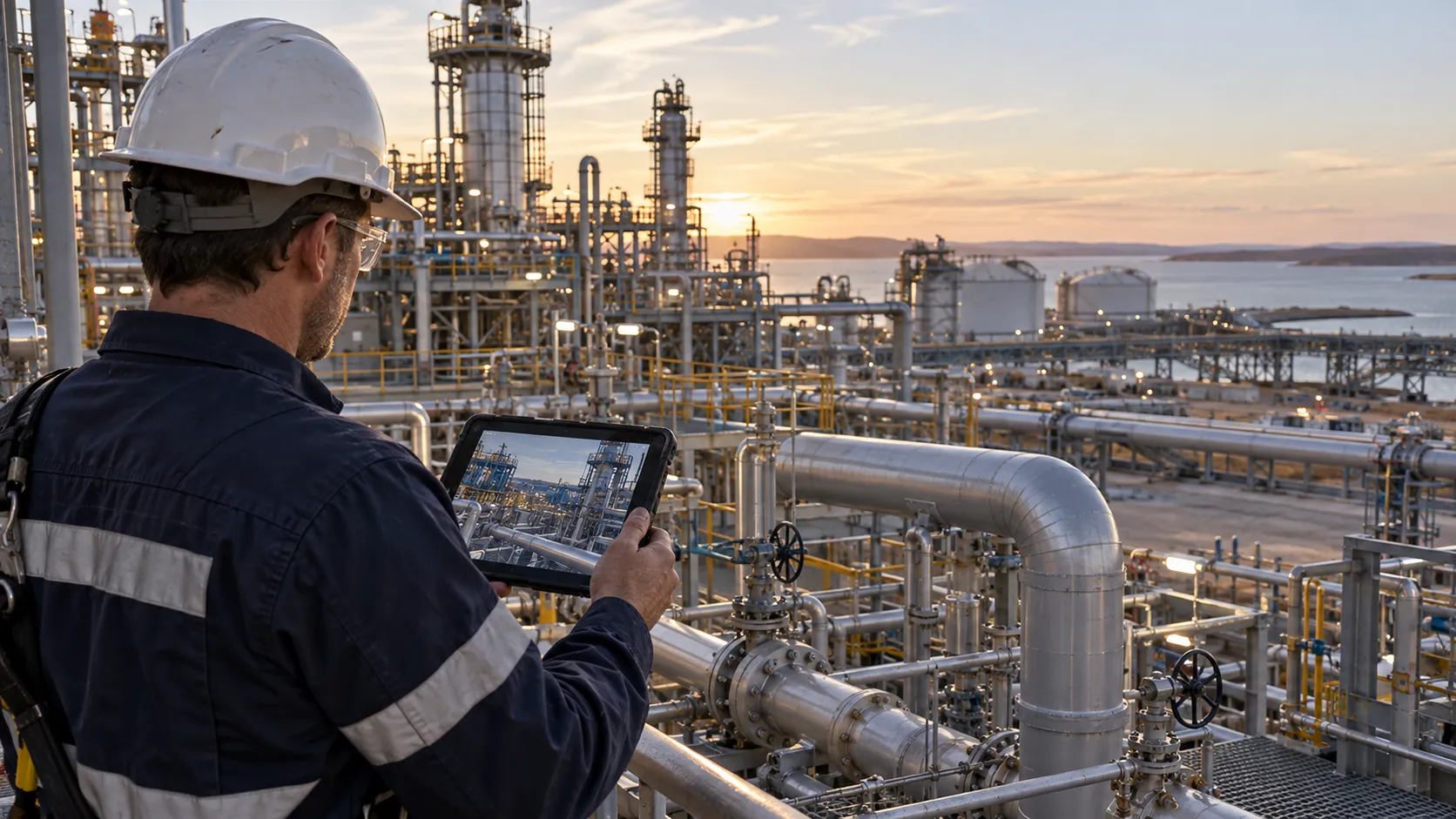
- inspect assets remotely
- identify change across inspection campaigns
- improve condition monitoring and maintenance planning
- reduce the need to place people into difficult or hazardous environments
The industrial inspection landscape is evolving rapidly, and RemSense believes the future lies in combining high-quality data capture with intelligent analysis to help teams understand more, sooner.
Frequently asked questions
An AI overlay is a layer that computer vision adds on top of inspection imagery or a 3D model, highlighting possible defects, deterioration or change so engineers can see the AI’s findings in the context of the asset.
Yes. Computer vision models are being used across industry to flag likely corrosion, coating breakdown, cracks and other visible defects in inspection imagery, which experts then review and confirm.
Change detection compares inspection data captured at different times, such as imagery or 3D models from two campaigns, to highlight what has changed on the asset, from new damage to moved or missing equipment.
No. AI helps inspectors and engineers review far larger volumes of data more consistently and points them to areas worth a closer look. The judgement and decisions stay with the experts.
Remote asset inspection lets specialists inspect a facility from high-resolution reality capture instead of on site. AI adds a first pass over that data, so teams can find issues faster while sending fewer people into hazardous environments.
About RemSense
RemSense Technologies Limited (ASX:REM) is a Perth-based remote asset inspection and asset management technology company. Its virtualplant platform turns high-resolution reality capture into a shared visual record of industrial assets, helping energy, resources and infrastructure operators inspect remotely, plan maintenance and keep their people safe.