Scaling AI in Energy: 3 Lessons From the Energy Club WA Panel
Plenty of organisations can run an AI pilot. Far fewer can scale it into something they trust every day. So what does scaling AI in energy actually take?
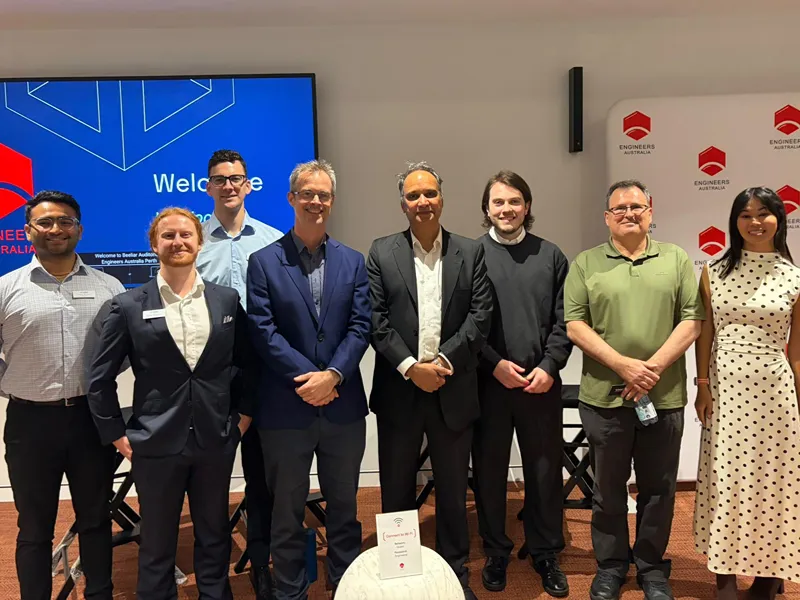
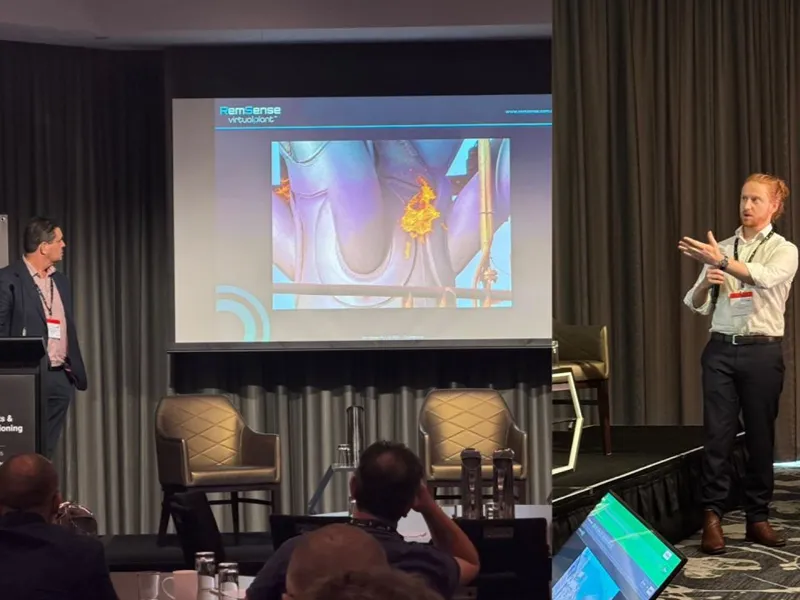
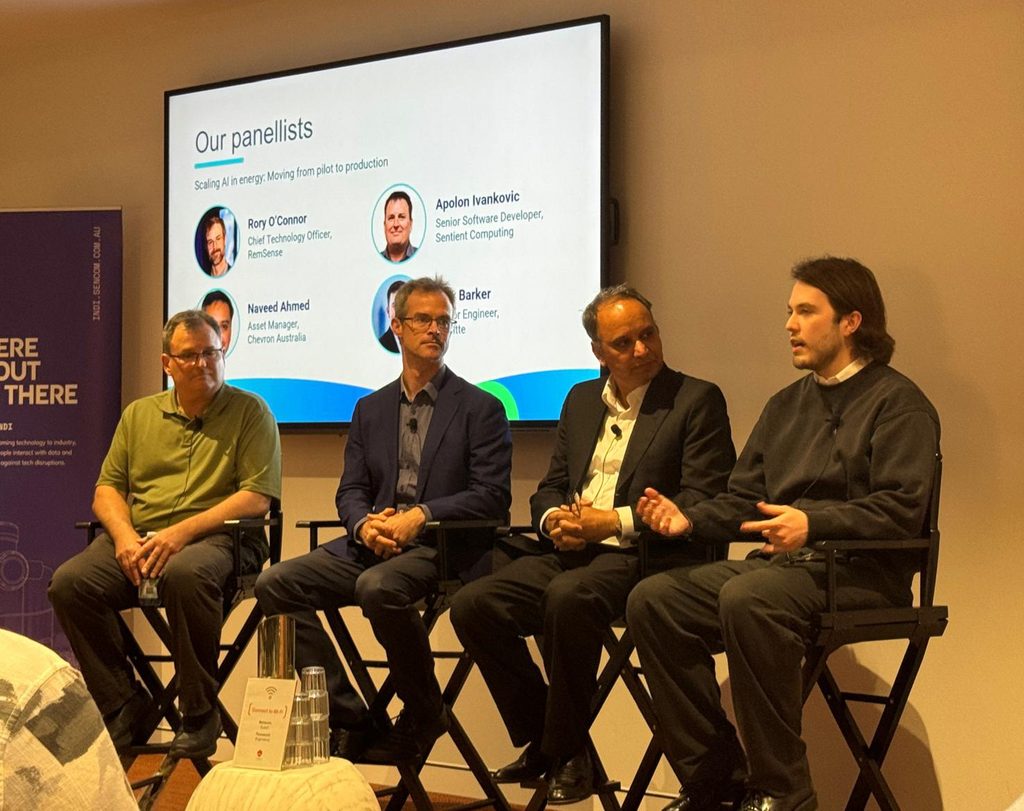
That was the question at Energy Club WA’s Young Professionals Sundowner, Scaling AI in Energy: Moving from Pilot to Production, held on Wednesday 4 November 2026 at Engineers Australia in Perth and supported by INPEX. RemSense CTO Rory O’Connor joined the panel, and I had the pleasure of moderating.
Key facts at a glance
- Speed and rigour can work together: turn every AI failure into a repeatable test so each iteration strengthens the guardrails.
- Keep AI out of the safety-critical loop: AI is probabilistic, so it shouldn’t make final safety-critical decisions in production.
- Human judgement matters more, not less: framing the right problem and questioning the output are now the valuable skills.
Three ideas from the evening stuck with me:
1. Speed and rigour don’t have to be opposing forces
Fast iteration with AI will always produce failures. Capture each one as a repeatable test (like a sensor fault found in simulation) and every iteration makes the guardrails stronger for the next. That loop is how an AI pilot earns the trust it needs to move into production.
2. Keep AI out of the safety-critical loop
AI can reason across complex, changing scenarios, but because it’s probabilistic, it shouldn’t be the final authority on safety-critical actions in production. Its strength is generating and testing the logic, including interlocks, for known scenarios before deployment.
3. Better AI makes human judgement more important, not less
AI can produce an answer faster than ever. The skills that matter now are framing the right problem, thinking creatively, questioning the output with curiosity, and understanding the system it sits in.
What this means for AI in remote asset inspection
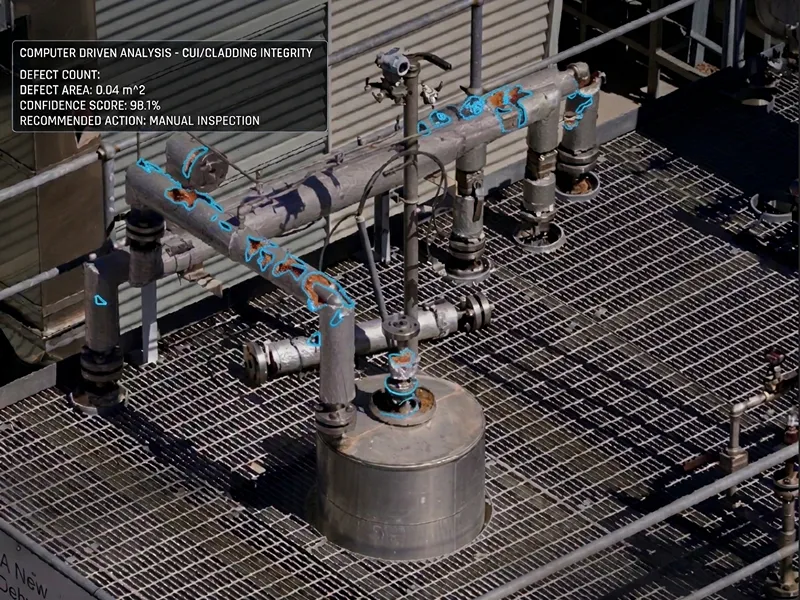
The same principles apply to how RemSense approaches AI. AI can help inspectors review large volumes of imagery and spot possible issues faster, but the judgement and the decisions stay with experienced people. Read more in AI overlays explained: how artificial intelligence is changing asset inspection.
Thank you
Thank you to the Energy Club WA Young Professionals for organising the event, INPEX for supporting it, and panellists Rory O’Connor (RemSense), Apolon Ivankovic (Sentient Computing), Naveed Ahmed (Chevron Australia) and Max Barker ([organisation]) for sharing their experience and perspectives.
Frequently asked questions
Scaling AI in energy means moving AI from small trials into everyday operations, where it has to be reliable, tested, connected to existing systems and trusted by the people who use it.
Common reasons include a lack of rigorous testing, unclear ownership, poor integration with existing systems and limited trust from users. Turning each failure into a repeatable test helps build the guardrails a pilot needs to move into production.
The panel’s view was no. Because AI is probabilistic, it shouldn’t be the final authority on safety-critical actions in production. It is better used to generate and test logic, such as interlocks, before deployment.
Framing the right problem, thinking creatively, questioning AI output with curiosity, and understanding the wider system the AI sits in.
About RemSense
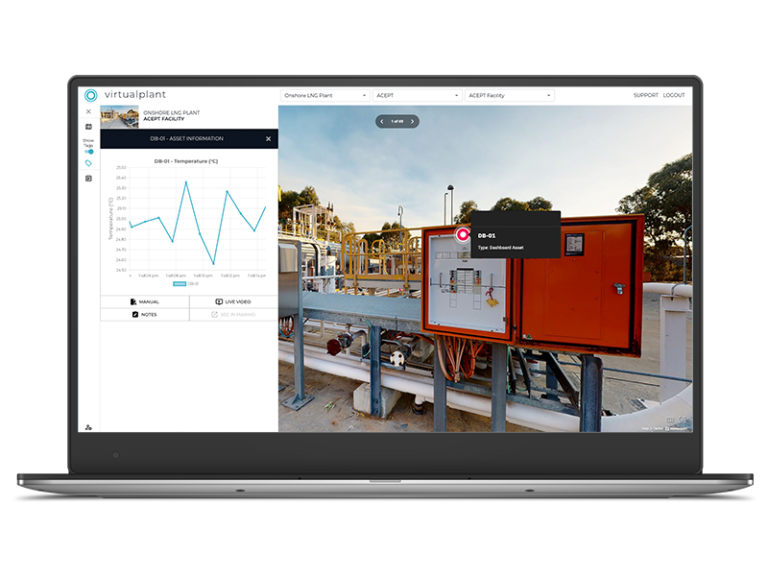
RemSense Technologies Limited (ASX:REM) is a Perth-based remote asset inspection and asset management technology company. Its virtualplant platform turns high-resolution reality capture into a shared visual record of industrial assets, helping energy, resources and infrastructure operators inspect remotely, plan maintenance and keep their people safe.