Ending the Scouting Visit: How Remote Visual Inspection Is Transforming Facilities Management Maintenance
In facilities management, one scenario plays out across maintenance operations every single day: a tenant logs a service ticket, a contractor is dispatched, and within five minutes of arriving on-site, work halts.
The parts don’t match. The access ladder is too short. The asset tag was misread, or the problem described over the phone bears little resemblance to what is actually on the wall, roof or ceiling.
The result is what the industry knows as the “scouting visit”: an expensive, unproductive site callout whose only purpose was to figure out what was actually required in the first place. For multisite portfolios, retail networks and commercial assets, this dynamic creates a relentless cost on operational budgets, service margins and tenant satisfaction.
The root cause isn’t contractor capability; it is information asymmetry during work intake.
Key takeaways
- The problem: scouting visits, callouts made only to work out what’s needed, drain budgets, margins and tenant satisfaction.
- The cause: work intake relies on verbal and text descriptions, not on what is actually on site.
- The fix: visual verification for facilities management maintenance, using remote visual inspection of a photorealistic 3D record of each site.
- The result: better scoping, the right parts first time, and a higher first-time fix rate.
The flaw of description based maintenance reporting
Traditional maintenance workflows rely almost entirely on verbal or brief text-based descriptions:
- A facility user describes an issue based on what they think they see.
- A service desk agent attempts to map that description to a static asset register or spreadsheet.
- A scope of work is generated with incomplete dimensions, unverified model numbers and zero spatial context.
When contractors arrive with the wrong tools, incorrect components or inadequate access equipment, rework is inevitable. The cost doesn’t just show up as repeat callout fees; it compounds into delayed repairs, tenant frustration and unnecessary carbon emissions from redundant travel.
To fix the workflow, facilities managers must move from description-based intake to visual verification.
Visual verification in practice: remote visual inspection for facilities
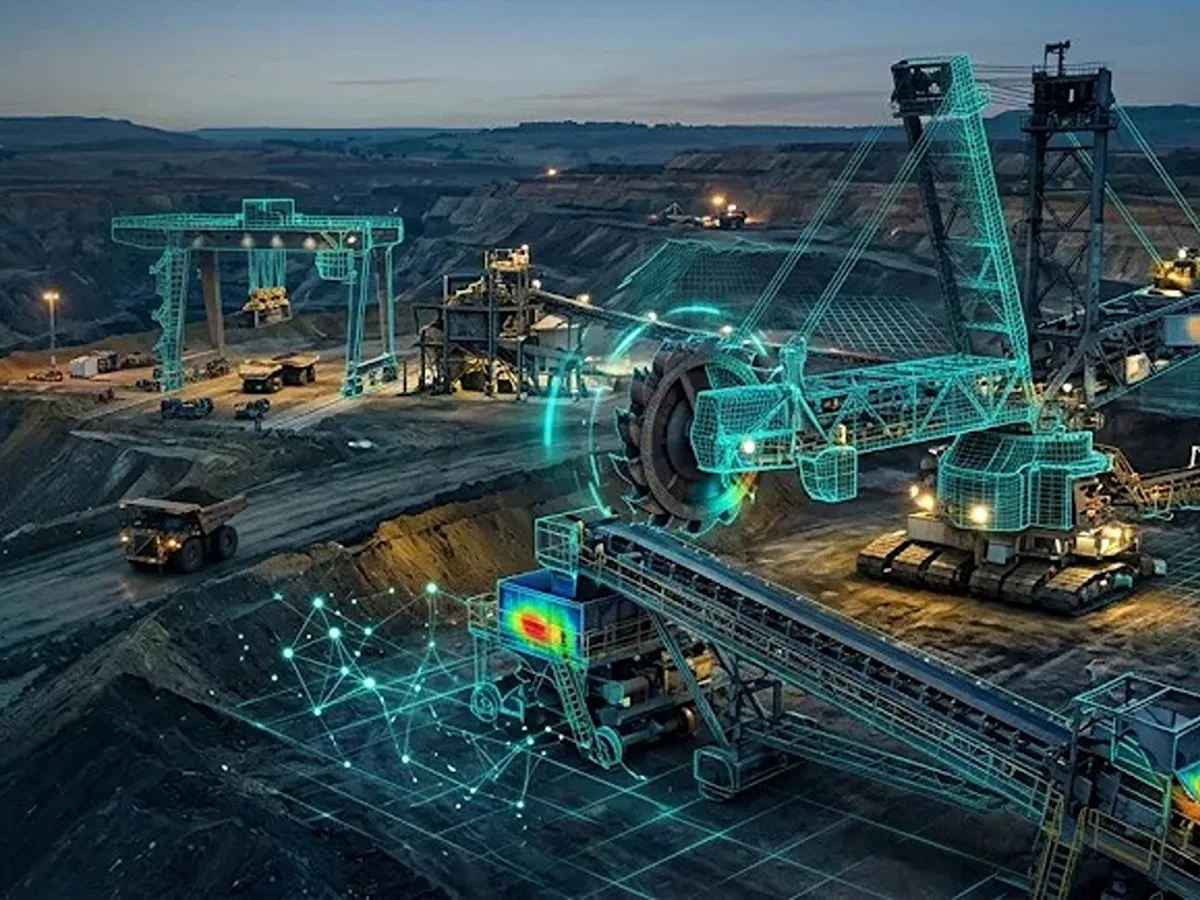
By combining high-resolution 360-degree imaging and aerial drone reality capture, RemSense is bringing Tier 1 industrial visual intelligence into facilities management workflows.
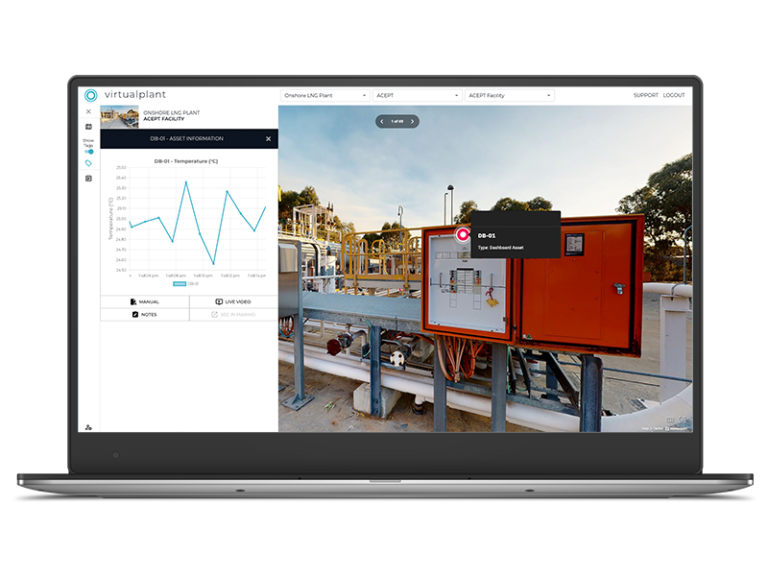
Through its virtualplant remote asset inspection platform, physical sites, from internal rooms and plant areas to roof infrastructure and building perimeters, are mapped into interactive, photorealistic 3D records.
Here is how visual verification transforms the day-to-day facilities maintenance lifecycle:
1. Real-time intake triage at the service desk
When a client or tenant calls the helpdesk to report a faulty HVAC unit, leaking pipe or damaged fixture, call centre staff no longer have to guess what the user is looking at. Agents can open virtualplant and virtually “walk the site” alongside the caller, pinpointing the exact asset ID and confirming its physical location, access pathway and configuration in real time.
2. Right scope, right parts, first-time fix
Instead of sending a technician to inspect and measure, contractors receive high-resolution imagery and precise spatial context before leaving their workshop. They can verify clearances, check nameplates and model tags and determine ladder or scaffolding requirements directly from virtualplant. Physical site visits are reserved for execution, not discovery.
3. Remote condition audits and AI-assisted anomaly detection
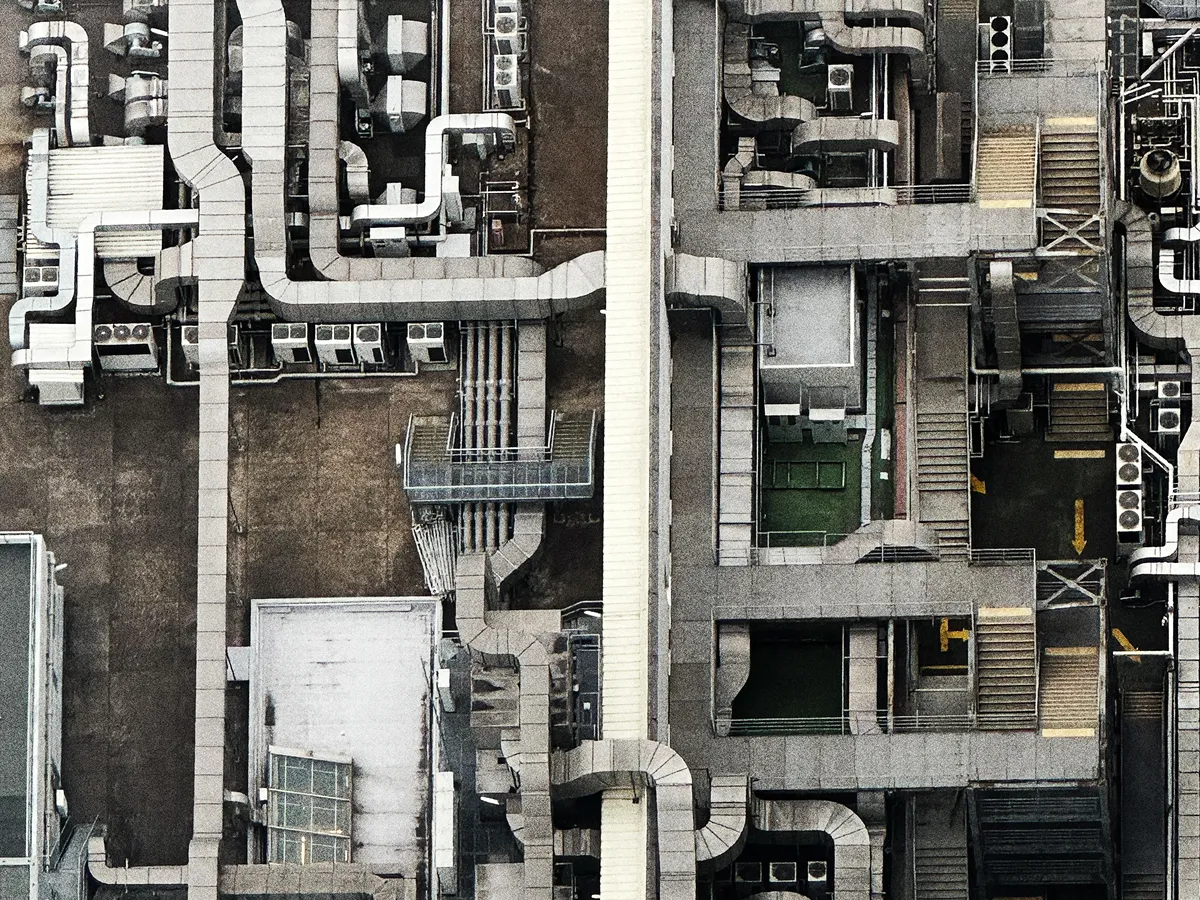
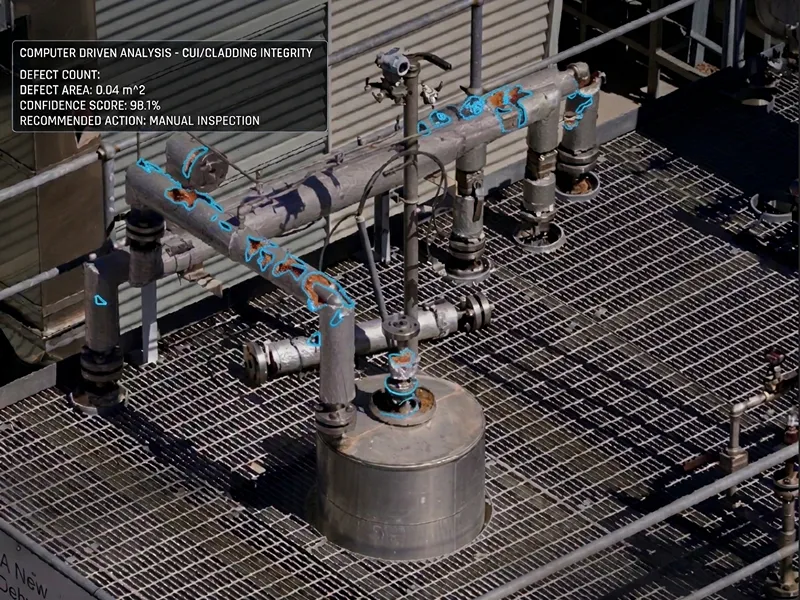
Routine condition assessments of hard-to-reach or hazardous areas, such as plant rooms, roof cavities and external facades, can be conducted from a desk. Paired with AI-assisted anomaly detection, an area RemSense is actively developing, advanced imaging can help teams identify surface wear, cracks, leaks or structural degradation early, supporting proactive preventative maintenance rather than reactive emergency fixes.
4. Enriching the central asset register and CMMS
Rather than living in an isolated silo, virtualplant data can integrate with existing Computerised Maintenance Management Systems (CMMS) and facilities management platforms. Linking spatial reality directly to work orders, asset tags and compliance logs turns static registers into dynamic, actionable operational assets.
Reserving boots on the ground for real work
The goal of remote visual inspection in facilities management maintenance is simple: make every physical deployment count.
By bridging the gap between reporting an issue and executing the repair, visual data removes much of the guesswork, reduces cost per ticket and helps maintenance teams deliver the right outcome on the first visit.
Interested in exploring how remote visual inspection can streamline facilities management maintenance and cut callout costs across your portfolio? Connect with the RemSense team to see virtualplant in action.
Frequently asked questions
A scouting visit is a maintenance callout where a contractor arrives on site only to discover the parts, tools or access equipment don’t match the job, so the visit’s only outcome is working out what is actually needed. It adds cost and delays the repair.
By scoping jobs from accurate visual information rather than descriptions. When contractors can see the asset, its nameplate, clearances and access needs before they leave, they arrive with the right parts and equipment.
Visual verification means confirming an asset’s identity, location, condition and access requirements from high-resolution imagery or a photorealistic 3D record of the site, instead of relying on a caller’s description.
Yes. Visual site data can be linked to work orders, asset tags and compliance logs in a Computerised Maintenance Management System (CMMS), so the asset register shows what each asset looks like and where it is.
Not for most maintenance decisions. A current, photorealistic visual record of each site, linked to the asset register, gives service desks and contractors what they need to scope jobs correctly, without the cost and complexity of a full digital twin.
About RemSense
RemSense Technologies Limited (ASX:REM) is a Perth-based remote asset inspection and asset management technology company. Its virtualplant platform turns high-resolution reality capture into a shared visual record of industrial assets, helping energy, resources and infrastructure operators inspect remotely, plan maintenance and keep their people safe.