Decommissioning Planning Starts With Knowing What You Have: How Remote Asset Inspection Builds the Missing Baseline
Decommissioning starts long before demolition. It starts with understanding what you have. A coal-fired power station, a mine processing plant, a substation, an offshore platform. They’re very different assets, but as they near end of life they raise the same question: do we actually know what’s out there? For a growing number of operators, remote asset inspection is how they find out.
Key takeaways
- Power, mining, utilities and offshore operators all face growing regulatory scrutiny of their decommissioning and mine closure plans.
- Most aging assets lack accurate drawings, so decommissioning plans and cost estimates often rest on incomplete information.
- Remote asset inspection, built on high-resolution reality capture, creates a current baseline of what is actually on site.
- A shared record supports remote asset management across inspection, integrity, maintenance, planning and contractor teams.
- In one offshore case study, remote inspection cut a six-month inspection campaign to three months, with no site visits.
Retirement is coming, and regulators want to see the decommissioning plan
Every sector is facing it. Coal-fired stations are being kept running longer, but the Australian Energy Market Operator (AEMO) still expects full retirement by 2049. Eraring, Australia‘s largest power station, is now due to run until April 2029. In Western Australia, mine operators must keep a mine closure plan live for the life of the mine, as a way of showing the operation is tracking towards successful closure. Under a 2017 rule, electricity network operators publish their planned asset retirements in annual planning reports. The rule was introduced because the focus of network planning had shifted from expanding networks to managing the assets already in the ground.
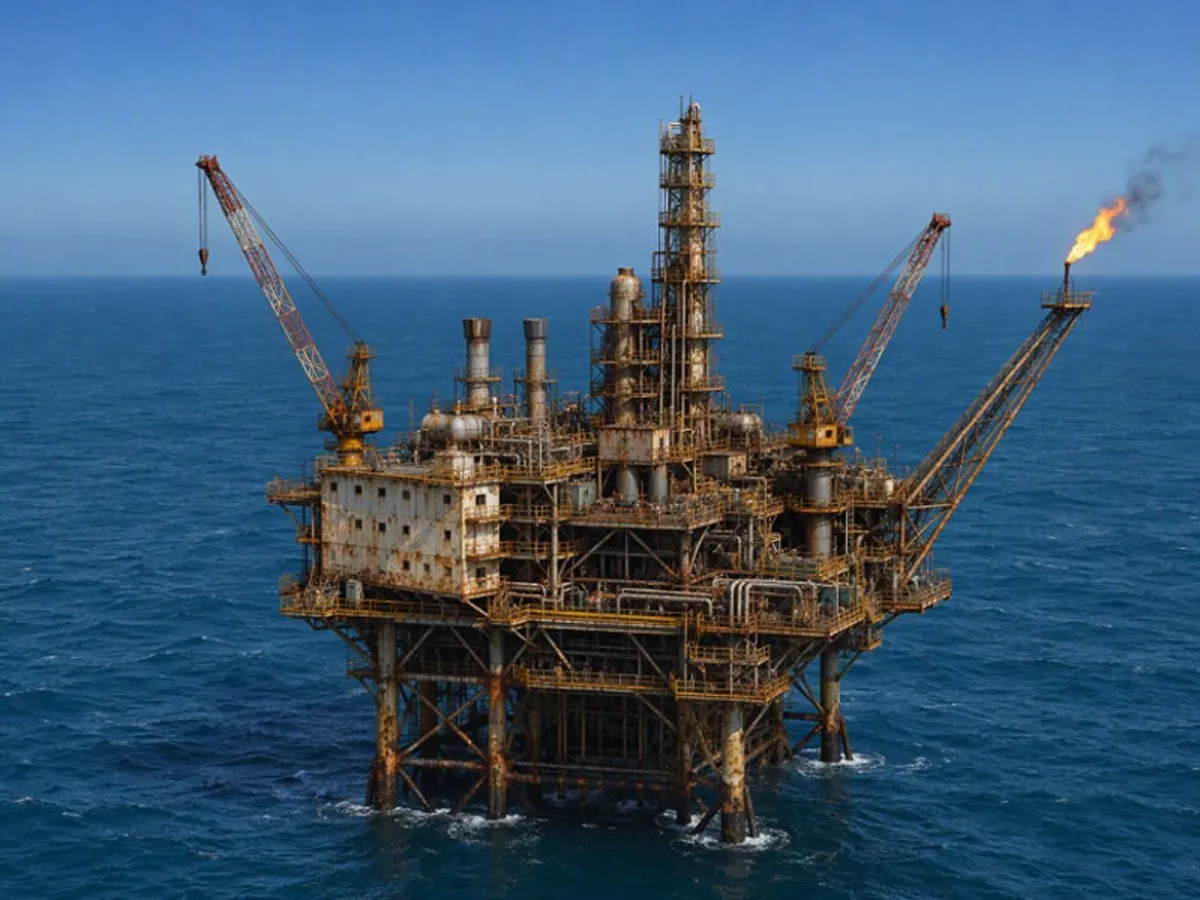
Offshore decommissioning has the clearest target. The National Offshore Petroleum Safety and Environmental Management Authority (NOPSEMA) expects titleholders to have their assets at an end state within five years of production ceasing. According to DISER, there are nearly 140 fixed facilities projected to be decommissioned in the coming decade. NOPSEMA also says decommissioning should be planned from the outset and matured throughout the life of operations, and it adjusts its level of oversight to how mature each titleholder’s plan is.
A plan is only as good as the information behind it
Most of these assets were built decades ago and modified many times since. Many operators only have old drawings, photos and site notes, and often no CAD model. That makes it hard to say with confidence what is on site, where it is and what condition it’s in, and those are the questions a decommissioning plan has to answer.
The demolition teams who take the assets apart inherit that gap. Given the age of these facilities, original documentation is often unavailable and hazardous materials may be unmapped. The information problem starts with the plan and then carries through to the people doing the work, where it shows up as surprises, rework and time on site.
Building the missing baseline with remote asset inspection
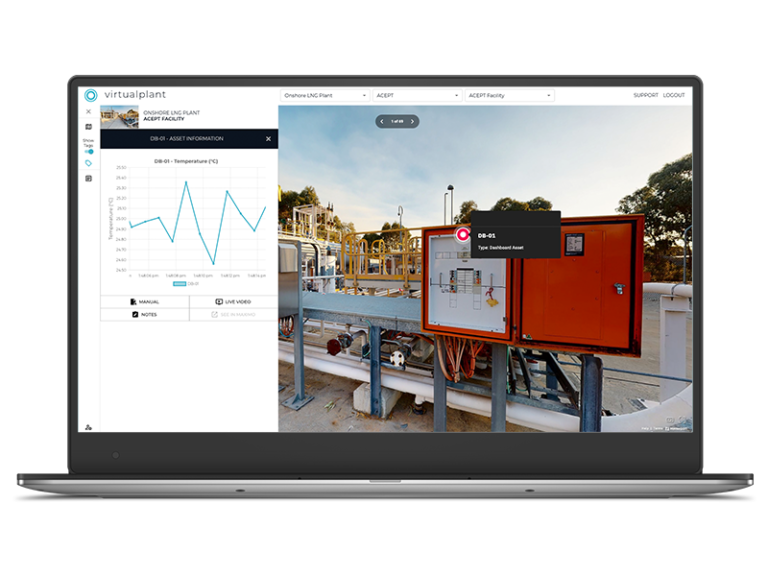
Reality-based visual datasets fill that information gap. Using high-resolution reality capture, from internal walkthroughs to exterior fly-around models, operators can begin to build a picture of what they really have. Instead of working from drawings that may be decades out of date, teams can look at the asset as it stands today, from wherever they’re based.
You don’t need a full digital twin to manage decommissioning data. You need a current record that everyone works from, built on what the asset looks like today.
What a shared record gives you
It starts with inspection. Using Remote Digital Visual Inspection (RDVI) methodologies, inspectors flag anomalies in the model, each tied to an exact location, creating a universal baseline. Because every finding is tied to a place in the model, it can be found again, discussed and acted on by anyone who needs it.
Other teams can then build off those findings. Asset Integrity can review and plan their work, and maintenance teams can see the exact equipment they’ll be working on. The result is one record shared across teams, so each one starts from the same picture and not from its own set of photos and notes.
The same model helps contractors too. Before they mobilise, they can use it to develop methodologies, measure structures, estimate quantities and plan sequencing and access. Questions that would normally need a site visit can often be answered at a desk.
Case study: Remote inspection for offshore platform decommissioning
An operator was decommissioning a platform. It had regulatory obligations to meet for a non-producing asset, and only old drawings and images to go on.
Two specialists inspected the facility remotely, with no trips to site, and brought an inspection campaign that would normally take six months down to three.
The findings went straight to the integrity, operations and planning teams, and the operator can now ask “can I get access to this area?” before anyone is mobilised. With the information held in one place, the operator now has the baseline it was missing at the start.
See you in Brisbane?
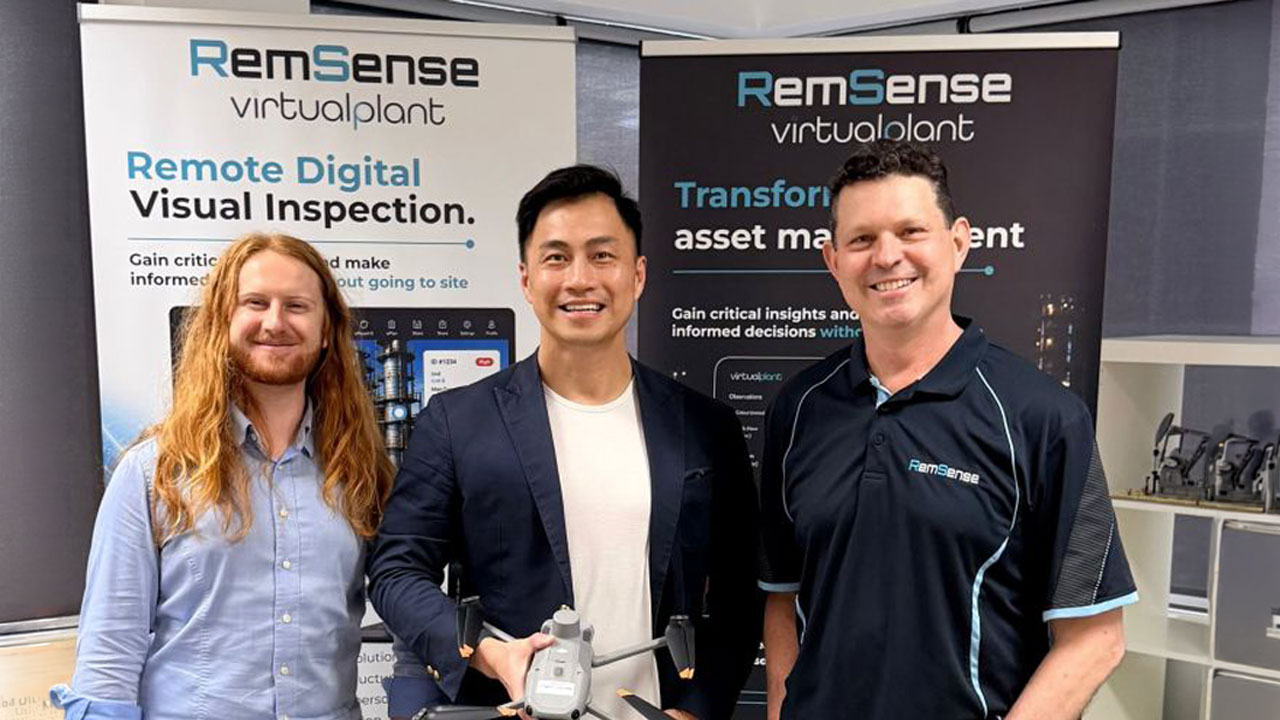
The 3rd Annual Aging Assets & Decommissioning conference runs 19th to 21th October in Brisbane, with speakers from power, mining, utilities and demolition. RemSense CEO Warren Cook is speaking and our team will be there, so if asset life extension or decommissioning is on your radar, come see us.
What information does your team actually have on the assets it’s about to retire?
Frequently asked questions
Decommissioning planning is the process of working out how an aging asset, such as a power station, mine processing plant, substation or offshore platform, will be safely retired, removed or left in an approved end state, including the cost estimates, regulatory approvals and demolition strategy.
Remote asset inspection uses high-resolution reality capture of a facility so specialists can inspect it from their desks. It gives operators a current, accurate baseline of what is on site, where it is and what condition it is in, without repeated site visits.
RDVI is a methodology for inspecting assets using high-resolution imagery instead of being on site. Inspectors flag anomalies in the model, each tied to an exact location, so any team can find, discuss and act on them later.
No. You need a current record that everyone works from, built on what the asset looks like today. A reality capture dataset used for remote asset inspection and remote asset management is often enough.
NOPSEMA expects structures, equipment and property that form part of a production system to be decommissioned as soon as reasonably practicable and no later than five years after production permanently ceases, with wells plugged and abandoned within three years.
About RemSense
RemSense Technologies Limited (ASX:REM) is a Perth-based remote asset inspection and asset management technology company. Its virtualplant platform turns high-resolution reality capture into a shared visual record of industrial assets, helping energy, resources and infrastructure operators inspect remotely, plan maintenance and decommissioning, and keep their people safe.