How Drone Technology Made Offshore Oil Platform Decommissioning Safer
drone services
Asset Inspection
Oil & Gas
Project background
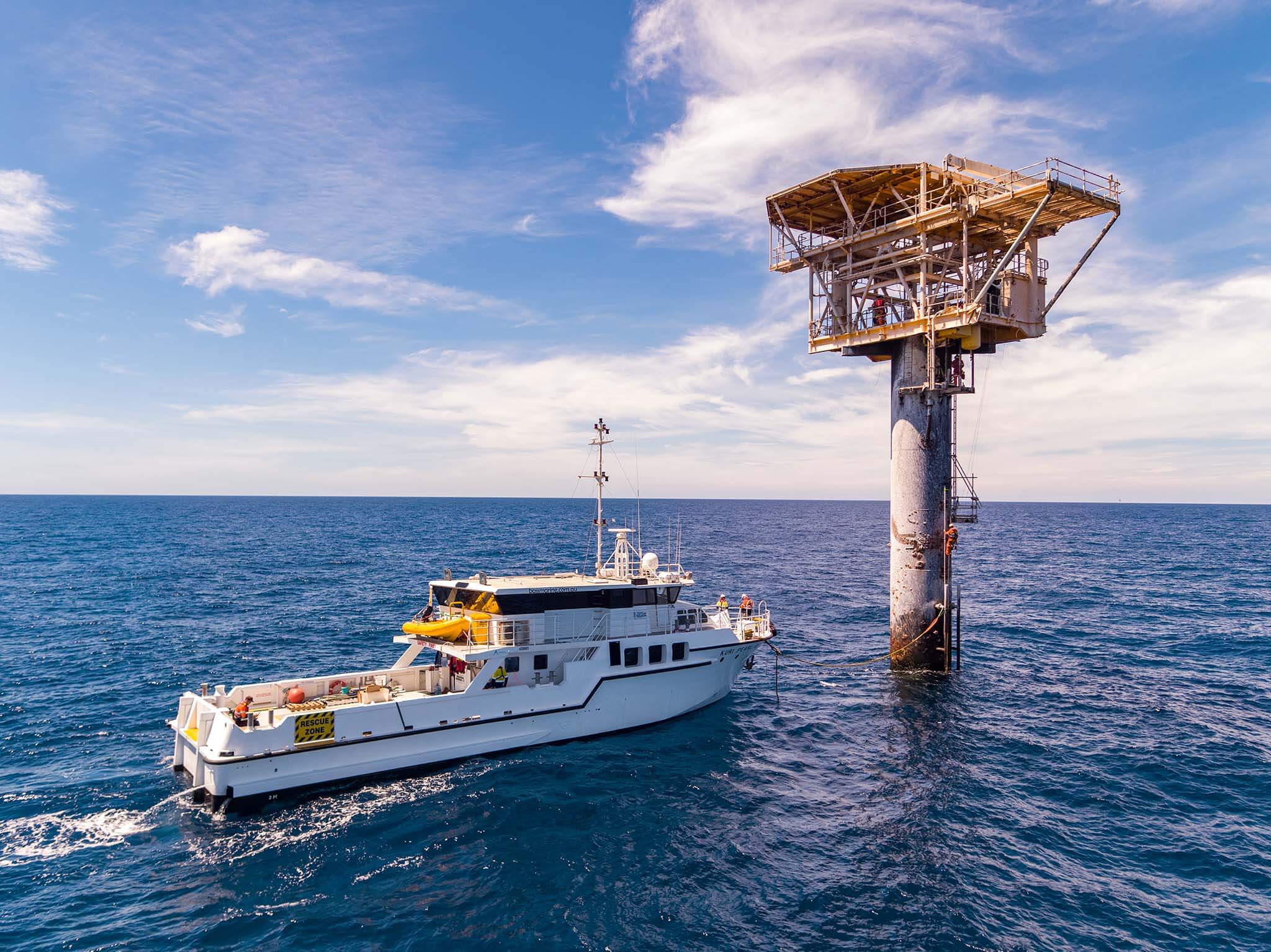
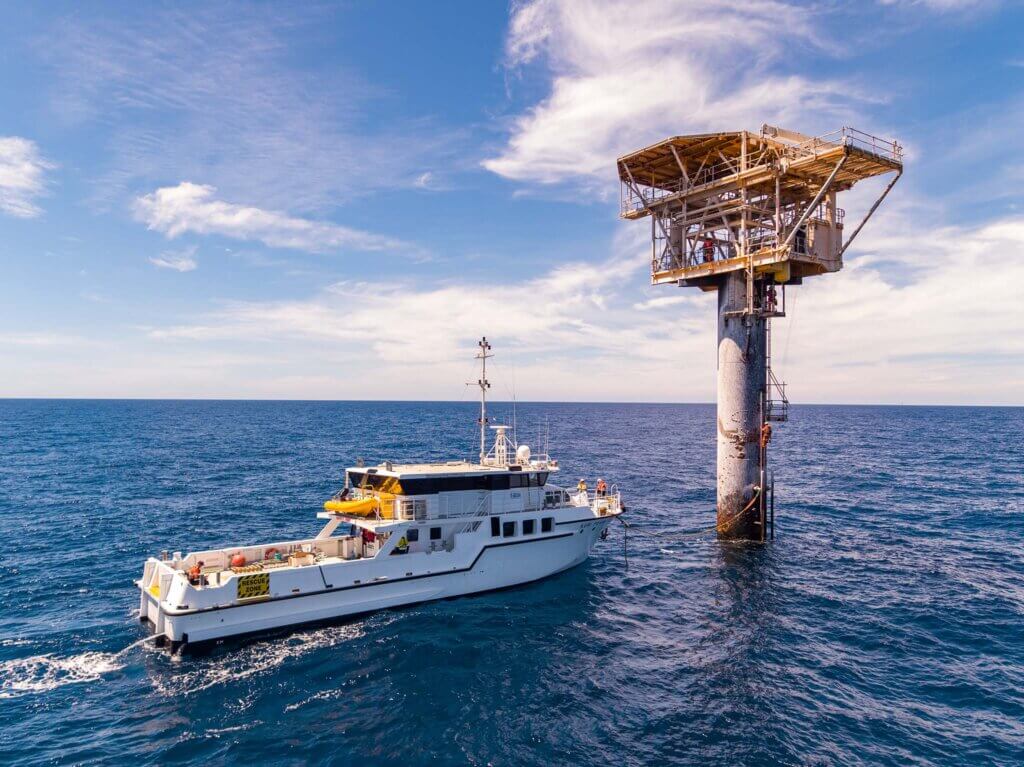
Along Australia’s coastline, many unmanned oil and gas platforms have reached the end of their operational lifecycle and require decommissioning. These structures are located in hazardous offshore environments, where access is difficult and safety risks are high.
Before allowing decommissioning crews on-site, our client needed a thorough safety and condition assessment focusing on critical elements such as:
Access ladders
Rope access mounting points
Decking grid mesh.
key challenges
Remote Access:
The platform could only be reached by boat, making traditional rope or scaffold inspections impractical.
Safety & Environmental Risks:
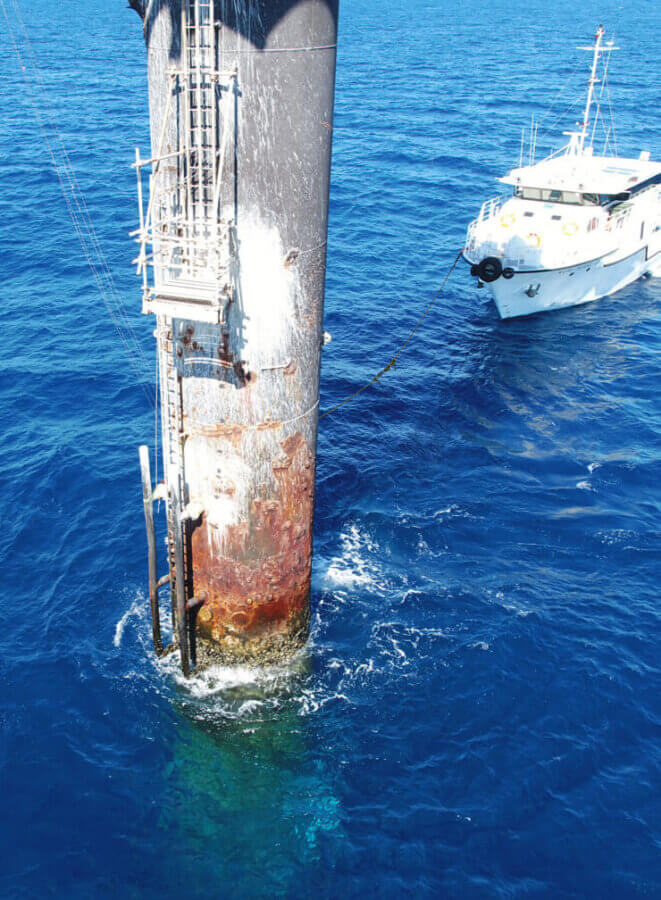
Both the remote marine environment and the degraded condition of the platform posed hazards for inspection crews.
Our Solution
RemSense conducted a high-definition drone inspection, launching the UAV directly from a vessel.
Key elements of the solution included:
A ship-based launch to maintain safe distance from the platform
A secondary live video feed for the client’s engineering representative to direct the operator to specific points of interest
Real-time safety evaluation and targeted data capture
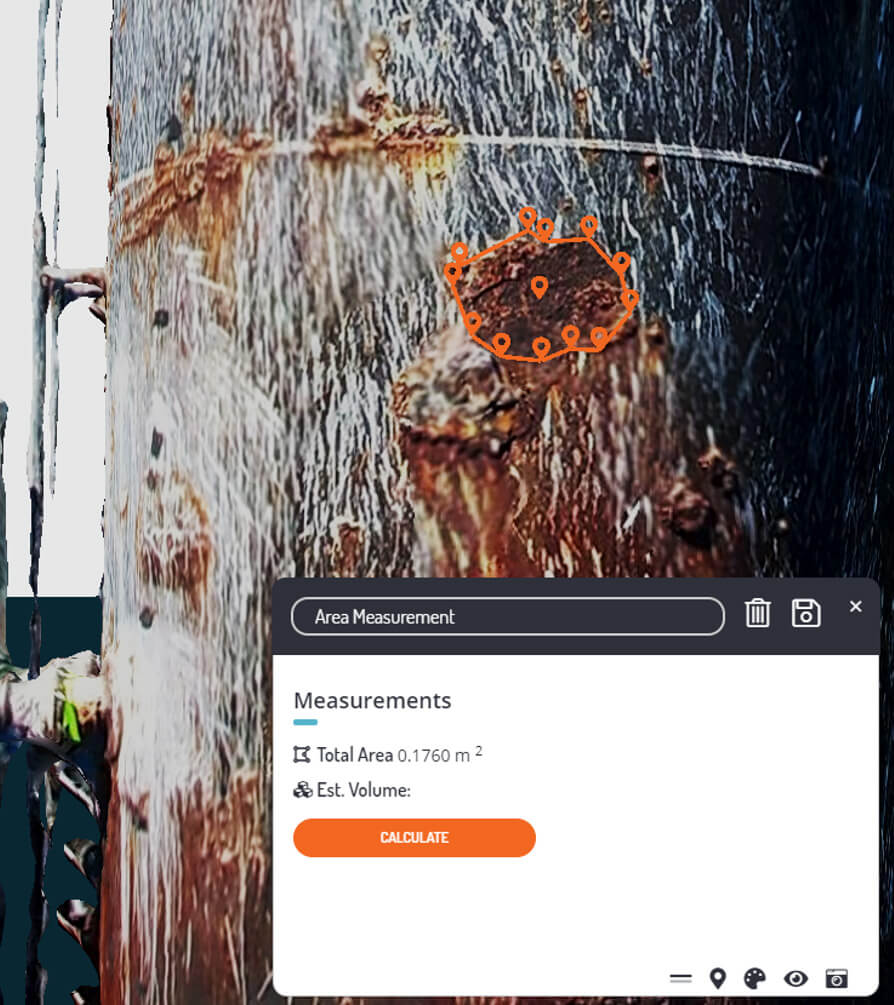
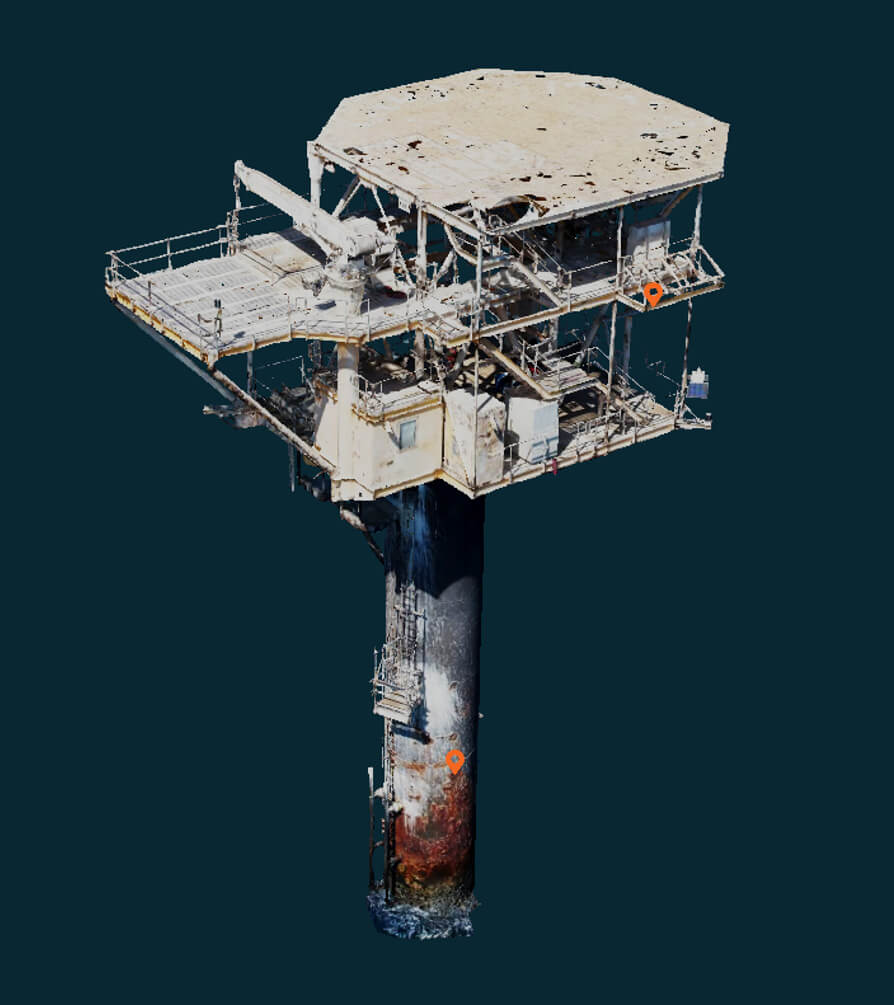
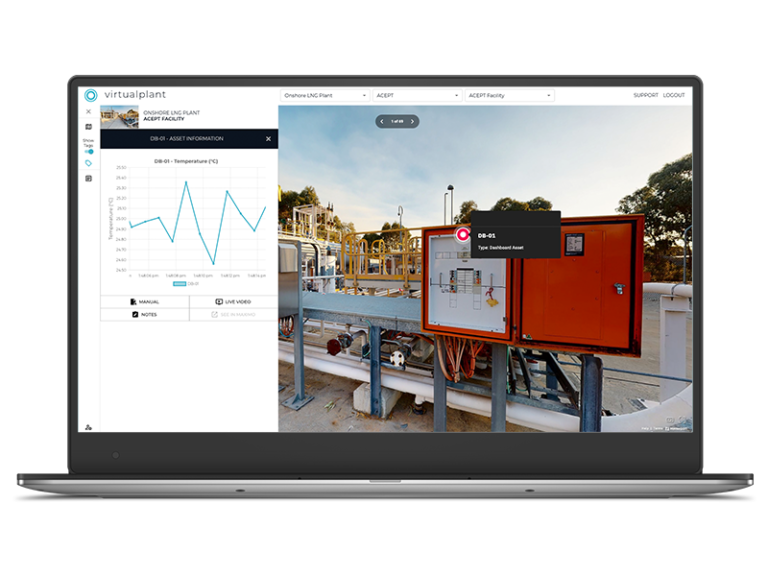
Imagery collected for the creation of a 3D model of the platform for further onshore assessment.
Results
All critical inspection points assessed without placing workers in harm’s way
Areas of concern identified for immediate safety action
Safe Working Method Statement (SWMS) updated before any crew boarded the platform
High-resolution imager used to produce a 3D model for further planning
By combining expert UAV operation with real-time client oversight, RemSense delivered an inspection solution that was fast, safe, and detailed, without requiring personnel to physically step onto the platform. This approach minimised operational risk, captured high-quality visual data, and provided actionable insights for planning the decommissioning phase efficiently.