What is Visual Line of Sight (VLOS)?
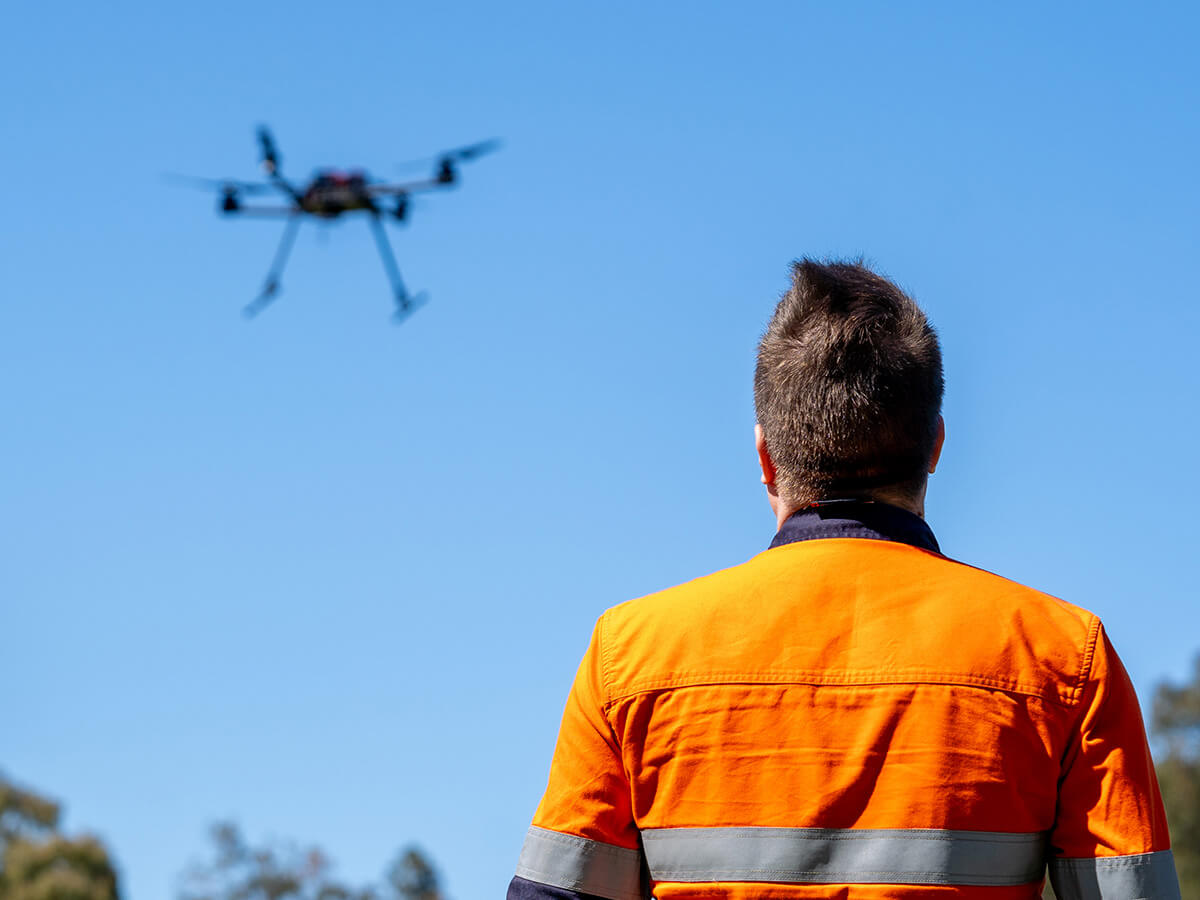
A VLOS drone flight means the pilot keeps the drone in direct sight throughout the entirety of the flight without using any visual aids. How far you can see the drone depends on its size, colour, weather, lighting, and time of day. Typically, the drone remains visible to the naked eye within about 500 metres.
During VLOS drone operations, the pilot maintains control and remains vigilant to potential hazards like other aircraft, obstacles, or people nearby.

What is Extended Visual Line of Sight (EVLOS)?
In EVLOS drone operations, the pilot cannot always see the drone directly. Instead, one or more trained airspace observers watch the drone and communicate with the pilot, usually via radio. This team helps maintain continuous awareness of the airspace.
Observers keep visual contact with the drone, update the pilot, and warn of any hazards. Technologies like First Person View (FPV) devices may also be used to provide live camera feeds.
EVLOS regulations vary between countries and flight purposes. Operators must usually get permissions and follow strict safety protocols for these low-risk flights.


What is Beyond Visual Line of Sight (BVLOS)?
BVLOS operations go beyond EVLOS, allowing drones to fly outside the pilot’s and obeservers’ visual range. This requires the drone to operate more autonomously and demands meticulous planning.
BVLOS opens up opportunities for large-scale commercial use, such as inspecting power lines along railways, areas inaccessible under VLOS or EVLOS rules.
Due to safety concerns and the early stage of drone industry, BVLOS operations are stringent in many countries. Obtaining approval for BVLOS operations involves presenting comprehensive safety cases to aviation authorities, outlining protocols to mitigate risks during flight.

Why Partner with RemSense for EVLOS?
Working with RemSense means you get the benefits of EVLOS operations, allowing you to cover larger areas than VLOS without the complexity and cost of BVLOS. This streamlines your work and helps you stay compliant with regulations.
RemSense has CASA approval to carry out EVLOS operations with the follwoing RPAs (Remotely Piloted Aircraft):
- Multi-rotor drones up to 25kg
- Medium Multi-rotor drones like the FreeFly ALTA X (up to 34.9kg MTOW )
- Powered Lift drones up to 7kg
- Aeroplane RPAs up to 7kg

Ready to take your drone operations to the next level?
Whether you have questions about EVLOS, want to explore how our drone services can help your business, or are ready to get started, we’re here to support you every step of the way.
Explore our services or reach out today to learn more about our capabilities, discuss your project, or book a consultation with our drone experts