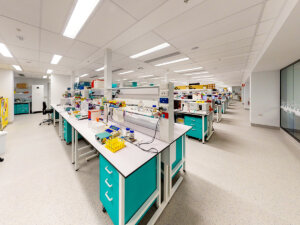
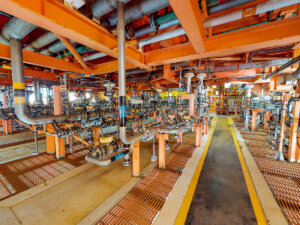
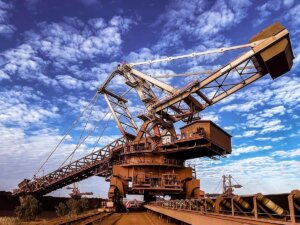
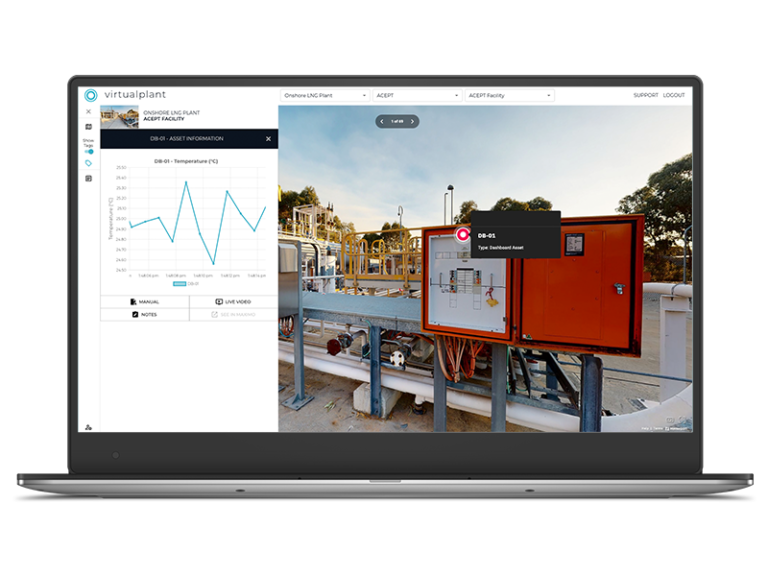
From mining and energy to utilities and infrastructure, organisations are seeking new smarter ways to monitor, maintain, and make decisions about physical assets without the need for constant site access. This shift isn’t just about cutting costs. It’s about creating smarter, faster, and safer systems for teams to operate effectively wherever they are.
A recent article published by Investing News Network explores how 3D visualisation and visual twin technologies are enabling that shift. At RemSense, it’s something we know well.
The Rise of Visualisation in Asset-Intensive Industries
Traditional asset management often means manual inspections, siloed data, and heavy reliance on being on-site. While those methods may have worked in the past, they’re increasingly becoming unsustainable, especially across remote locations, large facilities, and widely dispersed teams.
3D visualisation changes the game. By capturing assets in high-resolution, photogrammetry-based models, organisations get a clear, immersive view of their infrastructure that’s accessible anytime, from anywhere.
These models aren’t just pictures. They’re interactive environments where users can navigate, measure, inspect, and overlay data. And unlike complex digital twin systems that can require deep technical setup and integrations, platforms like virtualplant are lightweight, fast to deploy, and simple enough for all teams – not just engineers – to use.
What the Industry is Saying
According to the Investing News Network article, the global digital twin market is set to grow from just over US $10 billion in 2023 to more than US $110 billion y 2028. This rapid rise shows the demand for accurate, accessible, remote-friendly asset management tools.
Facing mounting pressure, asset-intensive industries are turning to digital visualisation tools that offer:
- Improved safety through fewer site visits and less physical exposure
- Operational continuity even when site access is limited or restricted
- Faster decisions with shared, high-fidelity asset views
- Reduced Risk during inspections, planning and shutdowns
- Cost savings from early issue detection and reduced travel
Why Visual Twins, Not Just Digital Twins
The term digital twin is often used to describe highly detailed simulations of an asset’s design and performance. These typically represent the “as built” version, engineered to align with plans and technical specs.
But in the real world, what’s on paper is not always what’s on site.
Visual twins capture the “as is” state: a true, spatially accurate digital representation of what’s physically there, not just what was designed. This distinction matters.
Unlike traditional digital twins that often require complex integration, platforms like virtualplant are:
- Lightweight and fast to deploy
- Built from real-world data: photogrammetry, LiDAR, 360 imagery
- Intuitive to navigate for technical and non-technical users alike
- Collaborative, with tagging, commenting, and measurement features built in
- Easy to link with existing systems like document libraries or asset registers
This makes visual twins invaluable for maintenance, planning, operations, HSE, and training teams. Anyone who needs to understand an environment without being there.
In short: digital twins represent the design intent. Visual twins represent reality.

Real-World Impact: Visualising Before Visiting
Visual twins are not just a viewing tool. They change how work gets done.
Teams across maintenance, operations, safety, and engineering use platforms like virtualplant to better understand their environments and make confident decisions. From early planning stages to final sign-off, having an accurate, interactive view of the facility helps people work together more efficiently, even if they are nowhere near the asset.
Use cases include:
- Maintenance planning and scoping before scheduled shutdowns
- Remote inspections to identify hazards or verify repairs
- HSE assessments carried out collaboratively from office locations
- Training and onboarding of new team members using real site visuals
- Scope alignment between internal teams and external contractors
One client used virtualplant to remotely inspect a complex section of infrastructure. Instead of sending multiple teams to site for pre-works planning, engineers, planners, and HSE staff were able to explore the area in detail virtually, take measurements, and flag issues in advance. This cut site visits, gave everyone a clearer understanding of the work environment, improved planning and helped the shutdown stay on track.
Getting Ahead of the Curve
As Investing News Network points out, industries are racing towards more visual, connected operations. The question isn’t if digital visualisation will become part of asset management. It’s how quickly and well businesses will adapt.
At RemSense, we focus on keeping solutions practical by:
- Designing tools that are easy to use across departments
- Closing the gap between the physical and digital worlds
- Helping teams make better decisions with less effort and delays
That’s what virtualplant is built for.
Explore the Article
You can read the full article on Investing News Network here:
Why 3D Visualisation is a Game Changer for Resource ASset Management
To learn more about virtualplant or see it in action, get in touch with us. Let’s make asset visibility simple for everyone.