Digital twin technology is making a profound impact on the mining industry, offering businesses the ability to create virtual replicas of physical assets. This technology has the power to streamline operations, improve efficiencies, and significantly reduce costs. The mining industry, traditionally high-risk and resource intensive, is now entering a new era of safety, sustainability, and profitability with the integration of digital twins.
As mining companies look to innovate, digital twins are becoming crucial, especially when paired with automation and predictive analytics. The possibilities for digital twin applications in mining are endless, with benefits ranging from better resource management to enhanced training.
Here are 10 key applications where digital twin technology is shaping the future of the mining industry.
#1. Automation and Optimisation
Digital twins play a crucial role in automating and optimising mining processes such as ore processing and transportation. By creating virtual replicas of mining sites, companies can run predictive models and simulations to identify potential issues before they occur. This proactive approach mitigates risks and prevents costly investments in capital equipment.
Moreover, digital twins provide key insights that can be used to analyse the performance of existing processes and systems. For example, they can determine the most efficient route for ore transportation and evaluate how different operational methods impact energy consumption. This helps miners make data-driven decisions that improve overall efficiency and reduce costs.
Key Benefit: Streamlines mining processes and improves decision-making, leading to more efficient operations and reduced energy usage.
#2. Equipment Maintenance
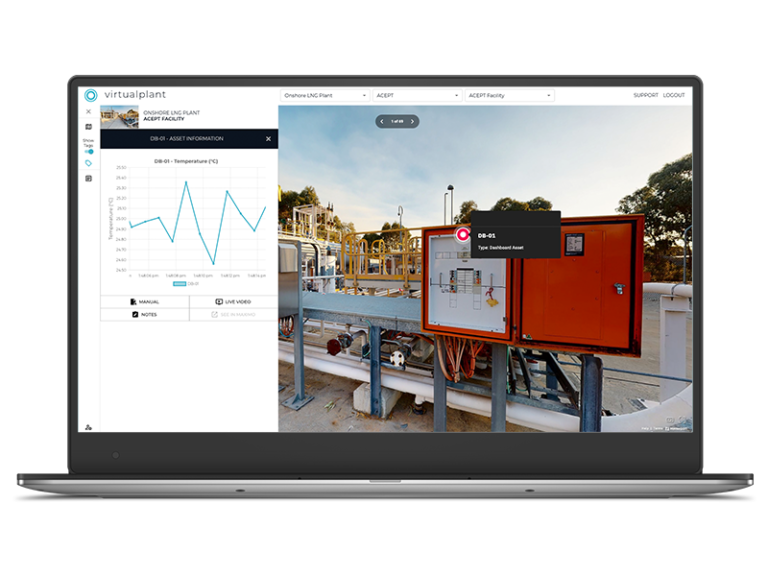
Digital twin technology significantly enhances equipment maintenance in the mining sector by providing real-time monitoring of operational performance. Through IoT sensors embedded in physical equipment, digital twins collect data on key performance indicators and environmental factors, allowing for continuous assessment.
By analysing this data, maintenance teams can detect issues early, enabling them to take preventive action before problems become severe. Digital twins offer detailed insights into the condition of equipment, so maintenance managers can anticipate when repairs or upgrades are needed. This proactive approach reduces the likelihood of unexpected breakdowns, which can be costly in terms of both repairs and downtime.
Key Benefit: Minimises downtime and reduces maintenance costs by enabling early detection of issues and ensuring timely interventions.
#3. Safety
Safety is a top priority in the mining industry, where workers are regularly exposed to hazardous environments and risky conditions. Digital twin technology plays a critical role in improving safety by enabling mining companies to simulate emergency scenarios in a risk-free virtual environment.
These virtual models allow workers to engage in simulated training exercises, such as machinery malfunctions, cave-ins, or gas leaks, giving them invaluable experience in handling real-world emergencies. Digital twins can also predict changes in mine conditions, such as equipment failures or environmental hazards, and offer insight into potential hazards before they become critical.
By providing a safe, controlled environment for training and scenario planning, digital twins help workers understand how to respond effectively in emergencies, improving their preparedness and safety in real-world operations.
Key Benefit: Enhances worker safety through realistic training simulations and proactive hazard detection.
#4. Resource Management
Digital twin technology plays a crucial role in improving resource management in the mining industry. By integrating data from various sources, such as geological surveys, historical records, and real-time sensor data, digital twins provide mining companies with accurate insights into resource availability and usage.
These virtual models allow companies to quickly identify areas with untapped resources and optimise extraction processes. Additionally, digital twins enable real-time monitoring of resource usage, helping to track efficiency and pinpoint areas of waste. This data-driven approach allows mining teams to make informed decisions that improve productivity, reduce waste, and maximise resource extraction while lowering environmental impact.
Key Benefit: Increases resource utilisation efficiency, reducing waste and improving overall productivity.
#5. Environmental Impact
Digital twin technology plays a pivotal role in reducing the environmental footprint of mining operations. By simulating the impact of mining processes on the local environment, digital twins provide valuable insights into areas such as water pollution, air quality, and land degradation. These virtual models allow mining companies to anticipate the environmental consequences of their actions and take proactive measures to minimise harm.
Through real-time environmental monitoring and predictive capabilities, digital twins help ensure that operations align with environmental regulations, reducing the risk of penalties and improving compliance. Furthermore, by simulating different operational scenarios, companies can optimise their processes to limit waste and conserve resources, ensuring sustainability while maintaining productivity.
Furthermore, this technology also empowers companies to address environmental regulations proactively. By accurately predicting the environmental consequences of their operations, they can make informed decisions to optimize processes, adhere to standards, and avoid potential penalties.
Key Benefit: Supports sustainable mining practices by enabling proactive environmental risk management and compliance with regulations.
#6. Supply Chain Optimisation
Digital twin technology is proving invaluable in streamlining supply chain operations within the mining industry. By creating virtual models of the entire supply chain, from raw material extraction to product delivery, digital twins provide companies with a detailed, real-time view of operations. This allows mining businesses to identify potential bottlenecks, inefficiencies, or disruptions that may hinder the flow of materials and products.
Through simulation and predictive analytics, digital twins help companies foresee and address supply chain issues before they occur, ensuring smoother operations and more accurate forecasting. The ability to visualise the entire supply chain also allows for better decision-making, enabling mining companies to implement strategies that reduce costs, improve delivery times, and adapt to changes in real-time.
Key Benefit: Enhances visibility and optimises supply chain efficiency, leading to cost savings and smoother operations.
#7. Exploration
Digital twin technology is transforming mineral exploration by enabling companies to simulate geological scenarios and model the potential of untapped resources. These virtual models provide highly accurate depictions of the underground environment, allowing mining companies to visualise potential mineral deposits with unprecedented detail.
By integrating real-time sensor data and geological surveys, digital twins help reduce the risk of costly exploration errors. They allow companies to test hypotheses and refine exploration strategies in a risk-free, virtual environment, leading to more informed decisions about where to focus drilling efforts. This improves both the accuracy and efficiency of exploration, helping maximise return on investment and minimise waste.
Key Benefit: Increases exploration accuracy, reducing costly errors and optimising resource discovery.
#8. Training
Effective training in the mining industry is essential due to the hazardous conditions workers face, from unstable underground environments to operating heavy machinery. Digital twin technology provides a safe, immersive training environment, allowing personnel to practise in realistic, risk-free scenarios.
With virtual replicas of the mining site, workers can simulate emergency situations such as machinery failures, cave-ins, or gas leaks, gaining hands-on experience without the danger. This immersive training approach helps employees understand the real-world implications of their actions, improving their response times and decision-making skills in critical situations.
By offering dynamic, interactive learning, digital twins enhance safety training, reduce accidents, and prepare workers for the challenges they may encounter on-site.
Key Benefit: Provides a safe, interactive training environment that enhances safety and readiness in real-world scenarios.
#9. Predictive Maintenance
One of the most impactful applications of digital twin technology in mining is predictive maintenance. By collecting and analysing data from various sources, including sensors, machines, and personnel, digital twins generate real-time insights into the condition of equipment. This allows companies to anticipate potential issues before they lead to costly breakdowns.
For example, if a piece of equipment is showing signs of wear, the digital twin can detect early warning signs and alert maintenance teams to take proactive measures. This predictive approach helps avoid unplanned downtime, extend the lifespan of equipment, and reduce repair costs. By shifting from reactive to proactive maintenance, mining companies can optimise asset performance and improve operational efficiency.
Key Benefit: Prevents costly breakdowns by predicting and addressing issues before they escalate, improving efficiency and reducing downtime.
#10. Energy Management
Energy management is a key focus in the mining industry, where energy consumption can significantly impact costs and sustainability goals. Digital twin technology helps optimise energy usage by simulating various operational scenarios and identifying areas for improvement.
By monitoring energy consumption in real time, digital twins provide valuable insights into how energy is being used across mining operations. This allows companies to detect inefficiencies, reduce waste, and implement strategies for better energy utilisation. Additionally, digital twins enable companies to track energy trends over time, helping them make informed decisions to optimise energy consumption for both cost savings and sustainability.
Key Benefit: Optimises energy use, reduces waste, and enhances sustainability, contributing to cost savings and environmental goals.
The Takeaway
Digital twin technology is transforming the mining industry in numerous ways, from automation and optimisation to exploration and training. This innovative technology is helping mining companies reduce costs, improve safety, and enhance sustainability across their operations. As the demand for more efficient and environmentally conscious mining practices grows, digital twins are poised to play a critical role in shaping the future of the industry.
By leveraging digital twins, mining companies can unlock new opportunities for growth, improve operational efficiency, and stay competitive in an ever-evolving market. As the technology continues to evolve, its applications and benefits will only expand, ensuring that digital twins remain an essential tool for mining companies around the world.
Learn how RemSense can help you create safer, more efficient mining operations by leveraging digital twin technology.