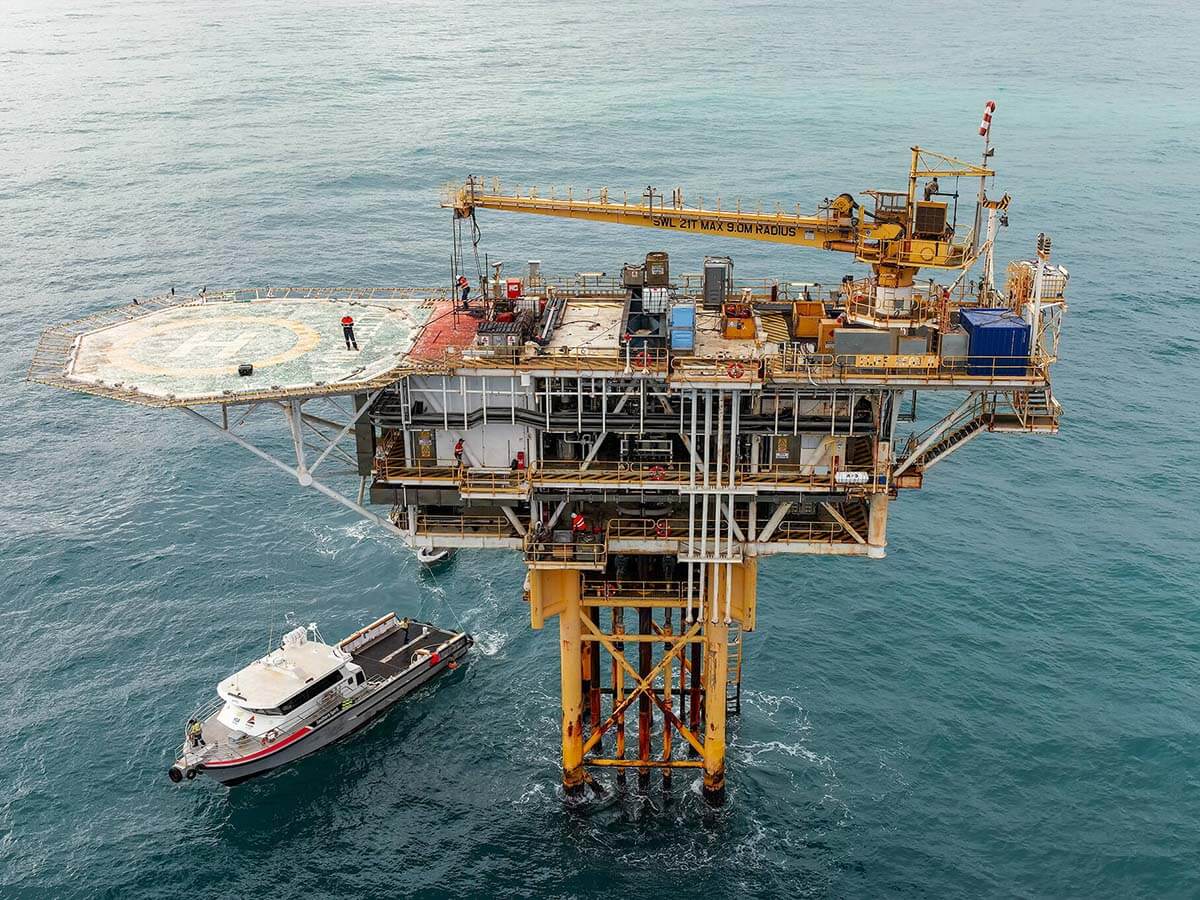
Digital twin technology is one of the most innovative and beneficial advances made in the oil and gas industry in decades. Despite its potential, a staggering two-thirds of global oil production facilities with access to the technology are still not using it. Factors such as the overwhelming influx of new technology and a shortage of trained personnel may be to blame.
In this article, we’ll dive into 10 key applications of digital twin technology in the oil and gas sector, highlighting how it can streamline operations, improve safety, and lead to significant cost savings.
#1 Asset management
One of the biggest challenges in the oil and gas sector is dealing with equipment failures and the costly downtime that follows. Digital twins help by creating virtual replicas of assets, such as pumps, compressors, turbines, and pipelines. these replicas can monitor equipment health, detect early signs of failure, and identify opportunities for improvement. By linking digital twins with IoT devices and Computerised Maintenance Management Systems (CMMS), companies can predict maintenance needs and extend the life of critical assets.
Key Benefit: Advanced warning of potential asset issues to preempt breakdowns and work stoppages, also known as predictive maintenance.
#2 Safety
The oil and gas industry faces significant safety challenges, particularly in the remote mobilisation of personnel to remote sites. With digital twin technology, many tasks that previously required on-site visits can now be done remotely. This reduces physical travel and helps ensure swift repairs through real-time monitoring via IoT devices. Moreover, digital twins can simulate potential accidents or failures, allowing for preemptive measures and better safety planning.
Key Benefit: Reduces risks associated with traditional inspection methods, improving overall safety.
#3 Operational efficiency
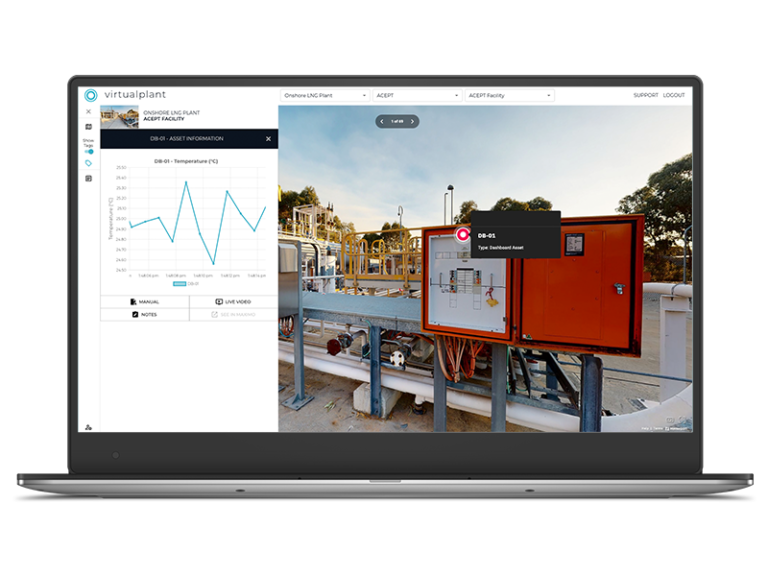
Digital twin technology allows you to create a real-time replica of an entire plant or operation, providing immediate insights into functional operations. This data can be used to identify underperforming equipment, forecast maintenance needs, and optimise processes. By continuously monitoring all aspects of a site, digital twins help identify inefficiencies and suggest ways to improve production techniques.
Key Benefit: Increases efficiency and operational optimisation across the entire site.
#4 Remote monitoring
In the oil and gas sector, remote locations pose unique challenges for monitoring operations. Digital twins address this by providing a virtual, 24/7 monitoring system, offering visibility into equipment and processes, even in the most isolated locations. this allows teams to collaborate effectively and address issues promptly, reducing costly damages and work stoppages while fostering effective teamwork by providing teams shared access to critical data and insights, regardless of their physical location.
Key Benefit: Provides real-time visibility and collaborative insights, ensuring remote supervision of operations.
#5 Well optimisation
Optimising a well is not just about boosting production and profits. Significant challenges, such as precipitation of scale, deposition of paraffin and asphaltene, and coning of water and gas due to low-flowing bottom hole pressure, can complicate operations. Digital twin technology helps address these issues by creating virtual models of wells and simulating various conditions. By collecting real-time data from sensors and predicting the impact of factors like pressure, temperature, and flow rate, digital twins enable more efficient well management.
This technology allows companies to optimise production, reduce downtime, and improve safety by providing insights into potential issues before they occur, ensuring the well operates efficiently and safely.
Key Benefit: Provides real-time insights into well performance, preventing issues that may arise from unmonitored operations and improving overall efficiency.
#6 Predictive maintenance
Digital twins can monitor the health and function of equipment in real time using IoT devices. This helps reduce the need for emergency repairs and costly work stoppages by identifying potential issues early.
This is possible because digital twins monitor how equipment performs and create individualised asset signatures. These signatures are generated by recording ambient and operational conditions, such as temperature, pressure, and flow rate. The real-time data collected is then compared to the data extracted by the digital twin to identify and deviations or signs of malfunction. This predictive capability allows companies to address problems before they lead to equipment breakdowns, ensuring operations run smoothly and efficiently.
Key Benefit: Reduces costly breakdowns by shifting from reactive to proactive maintenance strategies, improving equipment reliability and overall operational efficiency.
#7 Field development
Digital twin technology, combined with machine learning and data analytics, is revolutionising field development in the oil and gas sector. Virtual models of oil and gas reservoirs can simulate various exploration scenarios, optimise drilling techniques, and predict yield potential, reducing the need for costly physical trials and accelerating field development.
Key Benefit: Reduces labour and engineering costs in the development phase, optimising field planning.
#8 Cost savings
Implementing digital twin technology can lead to substantial saving across multiple facets of oil and gas operations. Efficiency, predictive maintenance, and real-time visualisation of pipelines are just some of the ways digital twins contribute to savings. One of the most significant advantages is the reduction of site visits, which can be both time-consuming and costly, especially for remote or offshore operations. By providing virtual access to assets and operations, digital twins reduce the need for physical inspections, saving on travel, personnel costs, and operational downtime.
For instance, implementing digital twins on offshore projects in the North Sea saved millions of euros, bringing costs well under initial projections. Companies can also save approximately ten per cent on decommissioning costs thanks to more accurate predictions and optimised operations.
Key Benefit: Offers significant savings in travel, maintenance, and decommissioning costs by enabling remote monitoring and reducing the need for on-site inspections.
#9 Skill enhancement and training
Digital twins can also play a key role in training industry personnel, especially when integrated with virtual reality (VR) technology. Using a digital twin to replicate complex environments, such as oil refineries, provides an immersive training experience. This helps staff gain hands-on experience and better understand systems without the risks associated with on-site training.
Key Benefit: Enhances personnel skills and safety, leading to cost savings and higher operational standards.
#10 Drilling optimisation
Digital twins allow companies to simulate drilling scenarios, improving decision-making accuracy and reducing the risk of costly mistakes. By modelling various drilling parameters, companies can identify optimal strategies, avoid issues, and refine their drilling techniques before deploying resources and personnel to the field.
Key Benefit: Safer, faster, and more accurate drilling operations, saving both time and money.
Conclusion
The use of digital twin technology is expanding rapidly across industries, and the oil and gas sector is no exception. By improving asset management, enhancing safety, optimising well operations, and delivering cost savings, digital twins are proving to be an invaluable tool for the petroleum industry. As this technology continues to evolve, its applications in the oil and gas industry will only become more widespread, driving efficiencies and better outcomes for businesses and personnel alike.